 8 min read
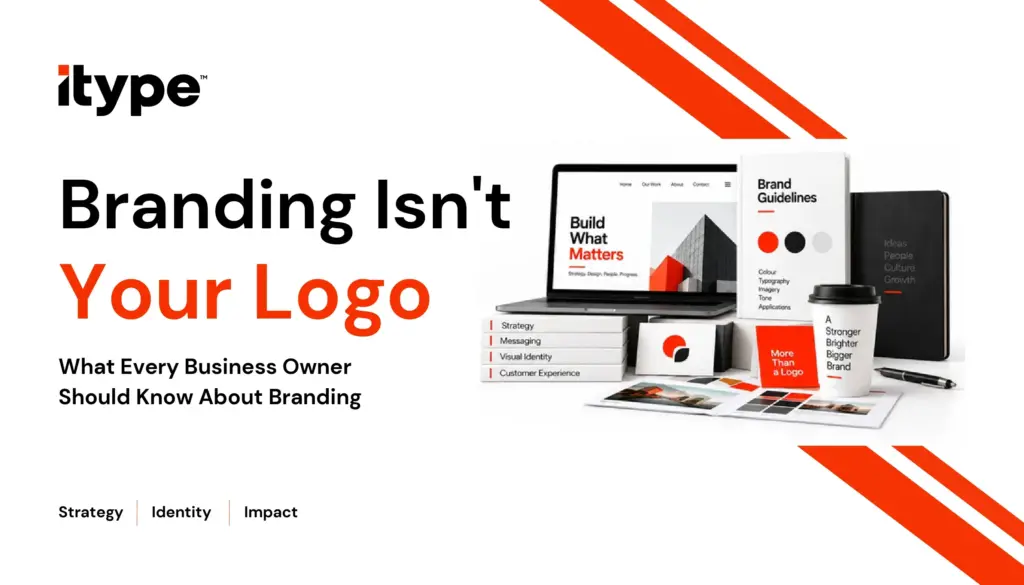
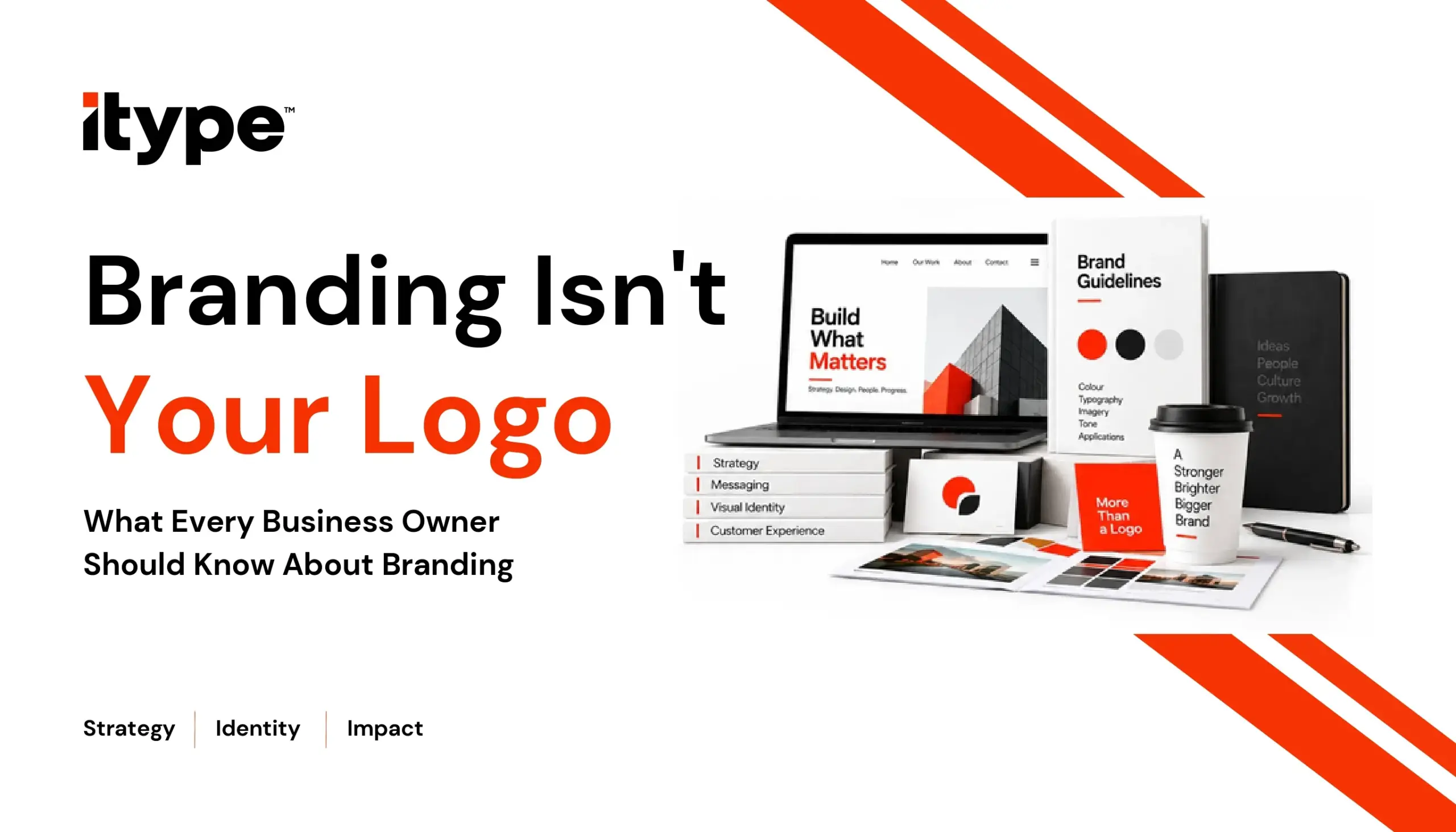
Here is a myth worth killing early: your logo is not your brand. A logo is a mark, a small visible symbol. Branding is the whole impression people carry of your business, the thoughts, feelings and expectations that surface when they hear your name.
Confusing the two is the most common and most expensive branding mistake businesses make because it leads them to buy a logo and assume the job is done.
In truth, branding vs logo is like a signature versus a reputation. This article explains what branding really means, where your brand actually lives, and why getting this right decides whether customers trust you, remember you and happily pay your prices.
Key Takeaways
- Your logo is not your brand. A logo is a mark; the brand is the whole perception of your business.
- Branding lives in perception, promise and experience, spread across every customer touchpoint.
- Run the “cover the logo” test: if customers can’t recognise you without it, you have a logo, not yet a brand.
- Strong branding earns trust, higher prices, loyalty and cheaper marketing. Treating it as just a logo wastes that.
- Build the layers under the logo: strategy, voice, a full visual system, mapped touchpoints and consistency.
The Logo Myth: Why So Many Businesses Get This Wrong
It is easy to see why the confusion sticks. The logo is the most visible part of a brand, it is the deliverable you can hold in your hand, and it is what most design packages lead with. So people naturally equate the part they can see with the whole thing, tick the box, and move on.
But a logo on its own carries no meaning. The Nike swoosh meant nothing in 1971. It carries weight today only because decades of consistent products, messaging and experience poured meaning into it. The logo is a container. The brand is what fills it. Design a container and leave it empty, and you have spent money on a symbol nobody has a reason to remember.
You see this play out constantly. A new café gets a smart logo made, prints it on the signboard, and calls the branding done. Six months later the menu uses three different fonts, the Instagram feed looks nothing like the shopfront, and staff describe the place differently to every customer. The logo is fine. The brand is a mess, because everything around the logo was left to chance.
So What Is Branding, Really?
Branding is the practice of shaping how people perceive your business on purpose. It lives in three things that sit beneath the logo:
- Perception: what people think and feel about you.
- Promise: what they expect every single time they deal with you.
- Experience: what it is actually like to be your customer.
Marketing bodies like the American Marketing Association describe a brand as the set of features that make one business distinct from another. The logo is only the most obvious of those features. A beautiful logo on a rude, slow, inconsistent business is lipstick on a poor experience and customers see through it fast.
Logo vs Brand: The Simple Difference
If you remember one thing, make it this comparison.
| A logo is… | A brand is… |
| A visual mark or symbol | The overall perception of your business |
| Designed in a few days | Built and earned over years |
| A single file you own | Every touchpoint and interaction combined |
| What you show people | What people remember and say about you |
| Fixed once it is made | Alive, and shaped every day |
Put simply, if the logo is the face, the brand is the personality, the reputation and the relationship behind it.
Where Your Brand Actually Lives?
Your brand is not stored in your logo file. It is spread across every point where a customer meets you, and most of those points have nothing to do with the logo at all:
- The tone of your website copy, and how quickly the site loads.
- The way your team answers the phone or replies on WhatsApp.
- Your packaging, your invoice, your proposal and your email signature.
- Reviews, referrals and what people say when you are not in the room.
Consider an architecture studio with a stunning logo. If its proposals are messy, its website is slow and its follow-up is patchy, the brand people experience is “disorganised,” no matter how sharp the mark looks. Now consider an NDIS provider with plain logo but warm, consistent, reassuring communication at every step. It builds a brand families trust and recommend. The logo is the smaller factor in both cases.
The same holds for a neighbourhood café. Two can serve identical coffee, but the one with consistent cups, signage, music and a familiar, friendly tone becomes “our usual spot,” while the other stays just another place that sells coffee. That difference is branding, and almost none of it is the logo.
Signs You Have a Logo but Not Yet a Brand
A quick gut check. If several of these feel familiar, you have a logo doing a brand’s job:
- Your website, social media and printed material all look like different businesses.
- You cannot describe your brand voice in a sentence.
- Customers cannot say what makes you different from your competitors.
- Your team greets customers in wildly different ways.
- You have a logo and colours, but no rules for how to use them.
The “Cover the Logo” Test
Here is a simple test worth running. Cover your logo on your website, your Instagram and your packaging. Can a customer still tell it is you?
Strong brands pass this test. Their colours, tone, photography style and overall feel are recognisable even with the name removed. If covering the logo makes your business indistinguishable from ten competitors, you have a logo, not yet a brand. Try it with any brand you admire and you will often recognise them from a single colour, a font or the way they speak, long before the logo appears.
Why This Matters for Your Business?
This is not a philosophical point. It has a rupee value.
- Trust. A consistent brand experience reassures customers who have never bought from you before.
- Pricing. People pay more for a brand they perceive as reliable and premium. Two accountants can do identical work, yet the one whose whole brand feels organised can charge more and still win.
- Loyalty and referrals. People remember and recommend a feeling, not a logo file.
- Cheaper marketing. When your brand is clear and consistent, every ad and post reinforces the same impression instead of starting from zero.
Treating branding as only a logo quietly leaves all of this value on the table. Think of it this way: your logo might get someone to notice you once, but it is the brand underneath that makes them choose you, trust you and come back. That repeat trust is where the real money sits.
How to Build a Brand Beyond the Logo?
You do not fix this with another redesign. You build the layers that sit under the logo.
- Define your brand strategy. Decide who you serve, what you stand for, how you are different and the promise you keep.
- Set your brand voice. Choose how you sound and hold that one tone everywhere, from your website to your WhatsApp replies.
- Build a full visual system, not just a logo. Define your colours, fonts, imagery and simple layout rules so everything looks related.
- Map your touchpoints. List every place a customer meets you, then make each one feel on-brand.
- Stay consistent. Write it all into a short brand guideline and apply it every time. Consistency, repeated over years, is what turns a logo into a brand.
How ITYPE Designs Thinks About Branding
Since 2013, and across more than 4500+ projects, ITYPE Designs has built brands, not just logos. We start with strategy, voice and the customer experience, then design a visual identity that expresses all of it, so the mark you show matches the business people actually meet. You can explore our brand identity services, see the work in our portfolio, or learn about the team on our about page.
Frequently Asked Questions
No. A logo is a visual mark. A brand is the full perception of your business, including experience, voice, and reputation. The logo is one small part of it.
Consistency and experience. A clear promise delivered the same way every time builds far more brand value than any single mark ever will.
Technically yes, since every business has a brand whether or not it has a good logo. But a logo makes your brand easier to recognise, so it is still worth having.
A clear position, a consistent voice and visual identity, and a reliable experience across every touchpoint a customer reaches.
Yes. A logo is the shorthand people use to recognise you. Just do not stop there, because a logo is the start of branding, not the whole of it.
Have a Logo, but Not Sure You Have a Brand?
If you have a logo but you are not sure you have a brand, that is worth a conversation. ITYPE Designs offers a free 30-minute branding consultation where we look at your logo, your touchpoints and how customers actually experience you, then tell you honestly what is working and what to fix first. Get in touch whenever you would like a clear next step, with no pressure.